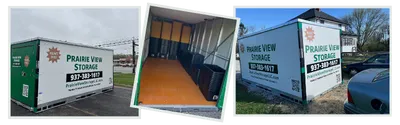

| Feature | Portable Unit (e.g., Prairie View, PODS) | Traditional Facility |
|---|---|---|
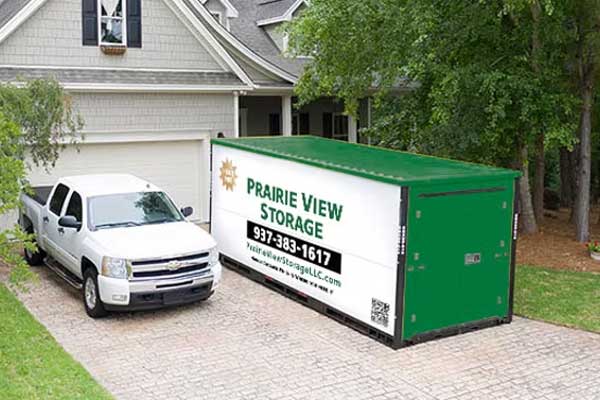
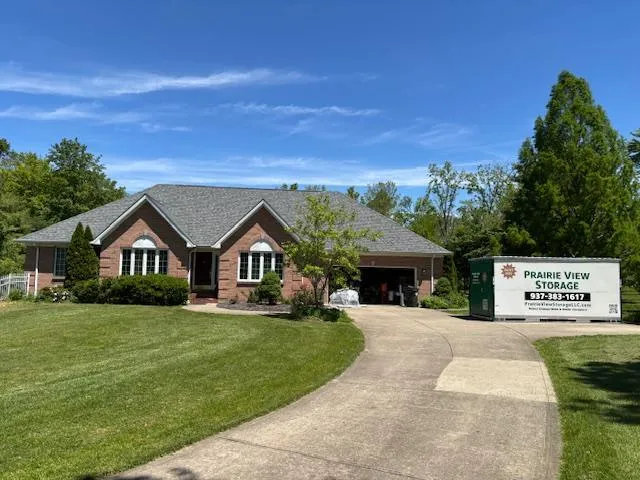
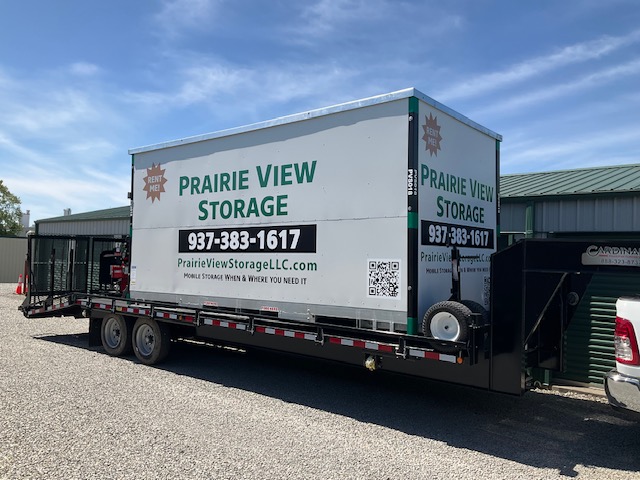
| Convenience | Delivered directly to your location. No need to rent or drive a truck to a facility. | You are responsible for transporting all items to and from the off-site facility. |
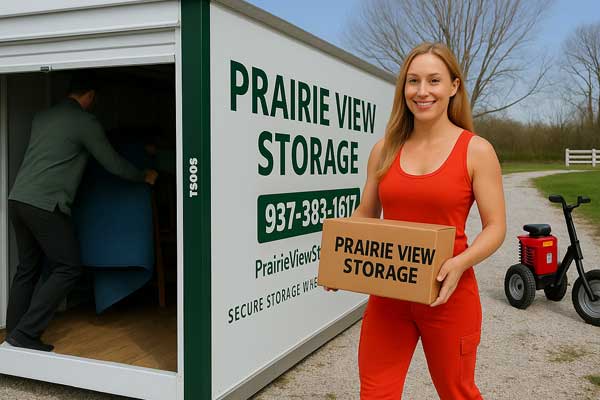
| Loading & Unloading | Ground-level loading at your own pace over several days, reducing stress and physical strain. | Requires loading a truck, driving, then unloading into the unit, often in a single day. |
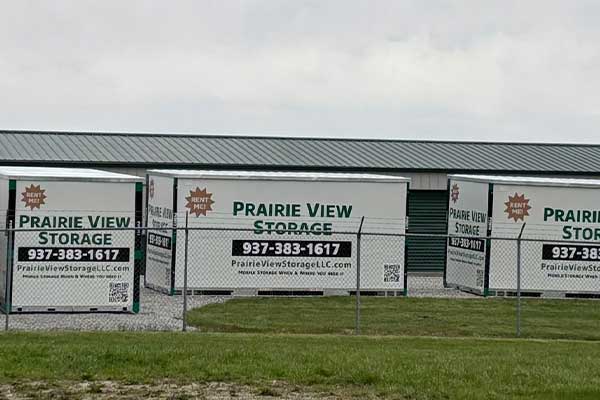
| Accessibility | 24/7 access when the container is kept on your property. Quick delivery can be scheduled if stored at their facility. | Access is limited to the facility's set operating hours. |
| Moving Process | The company can transport the loaded container directly to your new address, integrating moving and storage. | Purely for storage. You must handle the entire moving process separately. |
| Labor Effort | Load and unload your items only once, minimizing handling and potential for damage. | Requires handling items at least four times (load truck, unload at unit, load truck again, unload at destination). |
| Cost-Effectiveness | Saves on truck rental, gas, and insurance costs. Time savings are also a major factor. | Base rent may be lower, but hidden costs like truck rental and fuel can add up. |
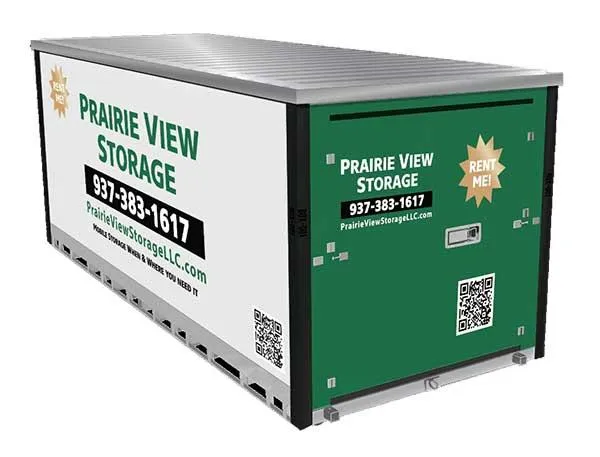
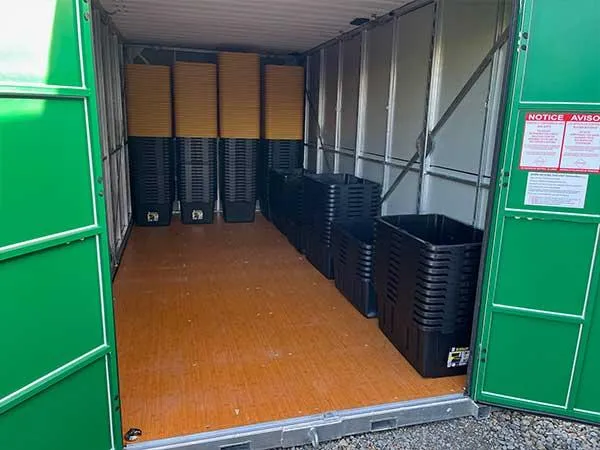
| Security | You own the only lock and key. The steel-framed, weather-resistant container stays in your possession or at a secure facility. | Relies on facility-wide security (gates, cameras). Units may be less robust than portable containers. |
Which One Is Right for You?
Portable storage is ideal for those who value convenience, flexibility, and a streamlined process, especially for moves or renovations.
Traditional storage can be a good fit for long-term storage of items you don't need to access frequently, particularly if you have a way to transport your belongings yourself.